Skip to main content
HIV Prevention in the Philippines
A Complete Guide to Understanding, Preventing, and Getting Help
The Reality of HIV in the Philippines: Why This Matters Now
If you’re reading this, you’re already taking an important step toward protecting yourself and your loved ones. The truth is, the Philippines faces the fastest-growing number of HIV cases in the Asia-Pacific region, with at least 57 Filipinos finding out they have HIV every day as of 2026.
This isn’t meant to scare you—it’s meant to empower you. Because when you understand HIV and know how to prevent it, you take control of your sexual health and wellbeing.
Let’s talk openly and honestly about HIV prevention, testing, and treatment in the Philippines. This is information everyone deserves to have, without judgment or shame.
Understanding the Current Situation
The Numbers Tell an Urgent Story
New HIV cases in the Philippines increased by 550% from 4,400 in 2010 to 29,600 in 2024. Even more concerning, the first quarter of 2025 saw 5,101 new diagnoses—a 57% increase from the same period in 2024.
Young Filipinos are particularly affected. A third of newly diagnosed HIV cases in the first quarter of 2025 were among young people aged 15 to 24 years. As of March 2024, about 46% of new cases were aged 25 to 34, while almost 31% were among youth ages 15 to 24.
Who Is Most at Risk?
The epidemic in the Philippines is concentrated among specific populations. About 82% of total cases were males having sex with males (MSM), while 89% of new infections occurred among MSM, with 47% of new infections from youth ages 15 to 24.
However, HIV doesn’t discriminate by sexual orientation, gender, or age. Anyone who is sexually active needs to understand prevention.
Why Cases Are Rising
Several factors contribute to the rapid increase:
Low condom usage: According to the 2017 Philippine National Demographic and Health Survey, only 2% of currently married women and 3% of sexually active unmarried women have male partners who have ever used condoms.
Stigma and discrimination: About 70% of all HIV cases involved males who had sex with males, individuals who often face stigma not only due to their diagnosis but also because of their sexual orientation. Over 75% of males who have sex with males have never been tested for HIV, largely due to discrimination and inadequate healthcare.
Limited sex education: Conversations about sex and sexual health remain taboo in many Filipino families and communities, leaving young people without crucial information.
Dating apps and social media: While these platforms offer connection, they’ve also made casual sexual encounters more accessible, sometimes without adequate emphasis on safe practices.
What Is HIV and How Does It Spread?
The Basics
HIV (Human Immunodeficiency Virus) attacks the body’s immune system, specifically targeting CD4 cells (T cells) that help fight infections. Without treatment, HIV can progress to AIDS (Acquired Immunodeficiency Syndrome), the most severe phase of HIV infection.
The good news: With modern treatment, people living with HIV can live long, healthy lives and cannot transmit the virus to sexual partners when their viral load is undetectable (U=U: Undetectable equals Untransmittable).
How HIV Is Transmitted
HIV spreads through:
- Unprotected sexual contact (vaginal, anal, or oral sex without condoms)
- Sharing needles or syringes with someone who has HIV
- From mother to child during pregnancy, childbirth, or breastfeeding (preventable with treatment)
- Blood transfusions with infected blood (extremely rare in the Philippines due to screening)
How HIV Is NOT Transmitted
You cannot get HIV from:
- Hugging, kissing, or touching
- Sharing food, drinks, or utensils
- Toilet seats, swimming pools, or gym equipment
- Mosquito or other insect bites
- Casual contact with people living with HIV
Effective HIV Prevention Methods
1. Condoms: Your First Line of Defense
Condoms remain one of the most effective and accessible HIV prevention tools when used correctly and consistently.
Why condoms work: When used properly, condoms create a physical barrier that prevents the exchange of bodily fluids during sex, dramatically reducing HIV transmission risk by up to 95%.
Types of condoms:
- Male (external) condoms: Made from latex, polyurethane, or polyisoprene
- Female (internal) condoms: Can be inserted up to 8 hours before sex, giving you more control
Using condoms correctly:
- Check the expiration date
- Open carefully (don’t use teeth or sharp objects)
- Use water-based or silicone-based lubricants (oil-based products can break latex condoms)
- Put it on before any genital contact
- Hold the base when withdrawing to prevent slipping
- Use a new condom for each sex act
Overcoming barriers to condom use:
Many Filipinos report feeling embarrassed to buy condoms. Organizations like LoveYourself have created “Safe Spaces PH”—designated establishments with free condom dispensers where you can access condoms and lubricants without judgment.
2. PrEP (Pre-Exposure Prophylaxis): Game-Changing Prevention
PrEP is a medication taken by HIV-negative people to prevent HIV infection. It’s a safe and effective pill taken orally that, when used properly with other HIV prevention tools like condoms, can reduce the chance of HIV infection among higher-risk individuals by up to 90%.
How PrEP works:
PrEP in the form of emtricitabine–tenofovir disoproxil fumarate has been rolled out in the Philippines. The medication blocks HIV enzymes, preventing the virus from establishing an infection in your body.
Two PrEP options:
- Daily PrEP: Take one pill every day
- Event-driven PrEP (2-1-1): Take two pills 2–24 hours before potential exposure, one pill 24 hours after the first dose, and one pill 24 hours after the second dose
Who should consider PrEP:
- Anyone in a sexual relationship with an HIV-positive partner
- People who don’t consistently use condoms with partners whose HIV status is unknown
- Anyone who has recently had an STI
- Sex workers
- People who inject drugs
Where to get PrEP in the Philippines:
PrEP services are available at LoveYourself community centers in Mandaluyong City (LoveYourself Anglo), Pasay City (Victoria by LoveYourself), Cebu City (LoveYourself White House), and soon in Manila, Parañaque City, and Bacoor, Cavite. Basic PrEP services are also available at all Hi-Precision Diagnostics around the country and MediPrime clinic in Cainta, Rizal.
Success story: In the Philippines’ PrEP Pilipinas demonstration project, there were no seroconversions among the 250 people enrolled—meaning no one who stayed in the project became infected with HIV.
3. PEP (Post-Exposure Prophylaxis): Emergency Prevention
If you think you’ve been exposed to HIV within the past 72 hours (through unprotected sex, sexual assault, or needle sharing), PEP can prevent infection.
What is PEP: Emergency HIV medication taken within 72 hours after possible exposure. The sooner you start, the better—ideally within 24 hours.
Where to get PEP: Available at major hospitals including San Lazaro Hospital, Research Institute for Tropical Medicine (RITM), and Philippine General Hospital.
4. Regular HIV Testing: Know Your Status
Getting tested is crucial because early detection leads to better health outcomes and prevents transmission to others.
Why test regularly:
- Many people with HIV have no symptoms for years
- Early treatment keeps you healthy and prevents transmission
- Testing is free and confidential at most facilities
- Modern rapid tests give results in 15-20 minutes
When to get tested:
- At least once if you’ve ever been sexually active
- Every 3-6 months if you’re sexually active with multiple partners
- Whenever you have unprotected sex
- If you or your partner has an STI
- Before starting a new sexual relationship
5. Limiting Sexual Partners
While this isn’t always practical advice, being in a mutually monogamous relationship where both partners test negative for HIV significantly reduces risk.
6. Never Share Needles
If you inject drugs, always use new, sterile needles and syringes. Never share injection equipment.
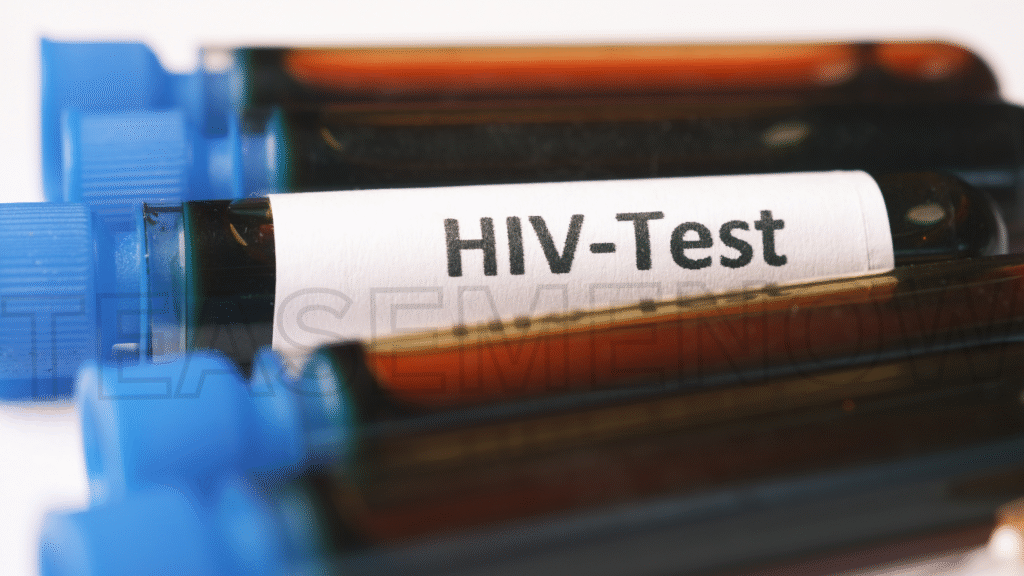
Getting Tested: Free and Confidential Options in the Philippines
Where to Get Free HIV Testing
Community-based organizations:
LoveYourself – One of the leading HIV advocacy groups in the Philippines
- Multiple community centers in Metro Manila and Cebu
- Free testing, counseling, and treatment services
- Youth-friendly and LGBTQ+ affirming
- Contact: 0917 628 8743 / 0998 563 7307
- Email: info@loveyourself.ph
AIDS Healthcare Foundation (AHF) Philippines
- 27 healthcare sites across the Philippines
- Free HIV and STI screenings
- Free condoms and lubricants
- Contact: +63 2 8790 4300
- Email: [email protected]
Positive Action Foundation Philippines (PAFPI)
- Drop-in clinic in Malate, Manila
- Support for people with HIV and their families
- Contact: (02) 404 2911
Government facilities:
- San Lazaro Hospital (Manila)
- Research Institute for Tropical Medicine – RITM (Alabang, Muntinlupa)
- Philippine General Hospital – SAGIP unit (Manila)
- Social hygiene clinics nationwide
- DOH-designated HIV treatment hubs (85+ locations)
Quezon City residents: Free HIV self-testing kits are available from the Quezon City Health Department.
What to Expect During Testing
- Pre-test counseling: Brief discussion about HIV, risk factors, and what the test involves
- The test: Usually a finger prick blood test or oral swab
- Waiting: Results typically available in 15-20 minutes
- Post-test counseling: Discussion of results and next steps
- Referrals: If positive, immediate linkage to treatment services
Your Rights
Under Republic Act 11166 (Philippine HIV and AIDS Policy Act of 2018):
- Testing is confidential
- Discrimination based on HIV status is illegal
- People as young as 15 can get tested without parental consent
- Treatment is free through the Department of Health
Living with HIV: Treatment and Support
Modern HIV Treatment
If you test positive for HIV, remember: HIV is no longer a death sentence. With proper treatment, people with HIV live long, healthy lives.
Antiretroviral Therapy (ART):
- Free through the Department of Health
- Dolutegravir-based antiretroviral therapy is now the first line treatment
- Taken daily to suppress the virus
- When viral load becomes undetectable, you cannot transmit HIV sexually (U=U)
Treatment success: As of March 2024, 64% or 78,633 of the 122,255 people living with HIV in the country are currently on antiretroviral therapy.
Support Services Available
- Life coaches and counseling through LoveYourself
- Support groups for people living with HIV
- Psychosocial support services
- Treatment for opportunistic infections
- Mental health services
Sexual Wellness Products and Safe Sex
At Tease Me Now, we believe sexual wellness and safety go hand in hand. Pleasure and protection aren’t opposites—they complement each other.
Products That Support Safe Sex
Quality condoms: We carry a variety of condoms to suit different preferences:
- Ultra-thin for maximum sensation
- Textured for enhanced pleasure
- Lubricated for comfort
- Various sizes for proper fit
Water-based and silicone-based lubricants: Using lubricant with condoms reduces friction and the risk of breakage, making sex more comfortable and safer. We offer:
- Water-based lubes (safe with all condom types)
- Silicone-based lubes (long-lasting, great for shower sex)
- Flavored options for oral sex
Dental dams and barriers: For oral sex, we offer protective barriers that allow for pleasure while reducing STI transmission risk.
Making Safe Sex Enjoyable
Safe sex doesn’t have to be boring sex. Here’s how to keep things hot while staying protected:
- Make putting on a condom part of foreplay – Your partner can help make it sexy
- Experiment with different sensations – Try textured or warming condoms
- Use plenty of lube – It enhances pleasure and safety
- Communication is sexy – Talking about boundaries and safety builds trust and intimacy
- Invest in quality products – Better products mean better experiences
Shop our sexual wellness collection at www.teasemenow.ph – We offer discreet shipping across the Philippines.
Frequently Asked Questions
Can I get HIV from oral sex?
The risk is much lower than vaginal or anal sex, but it’s not zero. The risk increases if there are cuts or sores in the mouth or on the genitals, or if ejaculation occurs in the mouth. Using condoms or dental dams during oral sex eliminates this risk.
How long after exposure should I wait to get tested?
HIV tests detect antibodies your body produces in response to the virus. This takes time:
- Most modern rapid tests can detect HIV 3-12 weeks after exposure
- Some newer tests can detect HIV as early as 18-45 days
- For the most accurate results, test 3 months after possible exposure
Can I still have a family if I’m HIV positive?
Yes! With proper treatment and medical guidance:
- HIV-positive people can have HIV-negative children
- Medication during pregnancy prevents transmission to the baby
- Partners can remain HIV-negative even with an HIV-positive spouse
Is HIV testing really confidential?
Yes. Healthcare providers are bound by law to keep your status confidential. While the Department of Health tracks cases for public health purposes, your personal information is protected.
How much does HIV treatment cost?
Antiretroviral therapy (ART) is provided free by the Department of Health at designated treatment hubs. Testing is also free at most facilities.
Can someone tell I have HIV by looking at me?
No. Many people with HIV show no symptoms for years. This is why testing is so important—you can’t tell by appearance who has HIV.
Will my partner know if I have HIV before we have sex?
Legally and ethically, if you know you’re HIV-positive, you should disclose this to sexual partners. However, remember: when you’re on effective treatment with an undetectable viral load (U=U), you cannot transmit HIV sexually.
Where can I buy condoms if I’m too embarrassed?
Look for Safe Spaces PH establishments (marked with special logos) where free condoms are available without judgment. You can also:
- Order online from Tease Me Now PH for discreet home delivery
- Use self-checkout at convenience stores
- Visit pharmacies in malls where there’s more anonymity
- Remember: buying condoms shows you’re responsible, not promiscuous
Is PrEP only for gay men?
No! PrEP is for anyone at risk of HIV exposure—regardless of sexual orientation or gender. This includes:
- Women whose partners’ HIV status is unknown
- People in relationships with HIV-positive partners
- Sex workers of all genders
- Anyone who doesn’t consistently use condoms
Can I stop PrEP whenever I want?
You should consult with a clinician before stopping PrEP, but yes, you can stop. PrEP is not a lifetime commitment—it’s based on your current level of risk. If your circumstances change (e.g., you enter a monogamous relationship), you can discuss stopping with your healthcare provider.
Breaking the Stigma: Let’s Talk Openly
One of the biggest barriers to HIV prevention in the Philippines is stigma. People avoid testing because they fear judgment. They don’t seek treatment because they’re ashamed. Partners don’t discuss status because the topic feels taboo.
This has to change.
HIV is a health condition, not a moral failing. Anyone who is sexually active can get HIV. It has nothing to do with your worth as a person.
Ways you can help break the stigma:
- Educate yourself – You’re already doing this by reading this article
- Speak openly – Talk about sexual health with partners, friends, family
- Challenge discrimination – Don’t tolerate HIV-related jokes or stigmatizing language
- Get tested regularly – Normalize HIV testing as part of routine healthcare
- Support people living with HIV – They deserve compassion, not judgment
Take Action Today
Knowledge is power, but only when you act on it. Here’s what you can do right now:
Immediate Steps:
- If you’re sexually active and haven’t been tested – Schedule an HIV test this week
- If you use condoms inconsistently – Buy quality condoms and lube today (we have them at Tease Me Now)
- If you’re at high risk – Look into PrEP options in your area
- If you think you were recently exposed – Seek PEP within 72 hours at a major hospital
Ongoing Commitment:
- Get tested regularly (every 3-6 months if sexually active)
- Use condoms consistently
- Have open conversations with sexual partners about status and testing
- Support HIV awareness efforts in your community
- Stay informed about new prevention methods
Resources and Contacts
Emergency PEP Services (Within 72 Hours of Exposure)
- San Lazaro Hospital – (02) 8711-6251
- RITM – (02) 8807-2628 / (02) 8842-2645
- Philippine General Hospital (SAGIP) – (02) 8554-8400
Testing and PrEP Services
- LoveYourself – 0917 628 8743 / 0998 563 7307
- AIDS Healthcare Foundation Philippines – (02) 8790 4300
- Positive Action Foundation Philippines – (02) 404 2911
DOH HIV/AIDS Hotline
- Call: 151 (available 24/7 for emergencies and inquiries)
- Email: [email protected]
Online Resources
- DOH HIV & AIDS Registry: bit.ly/HIVAIDSandARTRegistryPH
- UNAIDS Philippines: www.unaids.org
- WHO Philippines: www.who.int/philippines
Final Thoughts: Your Health, Your Choice, Your Power
HIV prevention isn’t just about avoiding infection—it’s about taking control of your sexual health, making informed choices, and living without fear.
You deserve:
- Pleasure AND safety
- Information without judgment
- Access to prevention tools
- Support if you need it
- A healthy, fulfilling sex life
At Tease Me Now, we’re committed to supporting your sexual wellness journey. Whether you need quality condoms, lubricants, or information, we’re here without judgment.
Remember: Getting tested doesn’t mean you’re “at risk”—it means you’re responsible. Using condoms doesn’t mean you don’t trust your partner—it means you respect both your bodies. Asking about status doesn’t ruin the mood—it shows maturity.
Stay safe. Stay informed. Stay empowered.
Shop Our Sexual Wellness Collection
Protect yourself while enjoying pleasure:
- Premium condom variety pack – Try different types to find your favorite
- Water-based lubricant collection – Enhance comfort and safety
- Intimate care essentials – Complete sexual wellness kits
Discreet shipping. Secure checkout. Free delivery on orders over ₱1,500.
Share This Information
If you found this guide helpful, please share it with friends, partners, and family. Knowledge saves lives.
This article is for educational purposes and should not replace medical advice. Always consult healthcare professionals for personalized medical guidance.
Last updated: February 2026
Sources: Department of Health Philippines, World Health Organization, UNAIDS, Research Institute for Tropical Medicine, Philippine HIV and AIDS Policy Act (RA 11166), LoveYourself Inc., AIDS Healthcare Foundation
Disclaimer: Tease Me Now is committed to sexual health education and providing quality products. While condoms significantly reduce HIV risk when used correctly, no prevention method except abstinence is 100% effective. Regular testing and open communication with partners are essential components of sexual health.