

Vaginal Health 101 for Filipinas: What Every Woman Should Know in 2026
Many Filipino women are often told very little about vaginal health-mostly things like “don’t talk about it” and “just keep it clean.” But the vagina is a smart, self-cleaning part of the body that needs correct information, not shame or silence.
This guide gives you simple facts about vaginal health: what’s normal, what’s not, how to take care of your vulva and vagina, common problems like burning or strange discharge, and when to visit a doctor.
We’ll also talk about how certain products, including intimate wellness toys, can be part of a healthy routine if used safely and thoughtfully.
Understanding the Vagina vs the Vulva
What Is the Vulva?
The vulva is the external part you can see:
- Labia (inner and outer “lips”)
- Clitoris
- Vaginal opening
- Urethra (where urine comes out)
This area can be affected by soaps, fabrics, sweat, and friction.
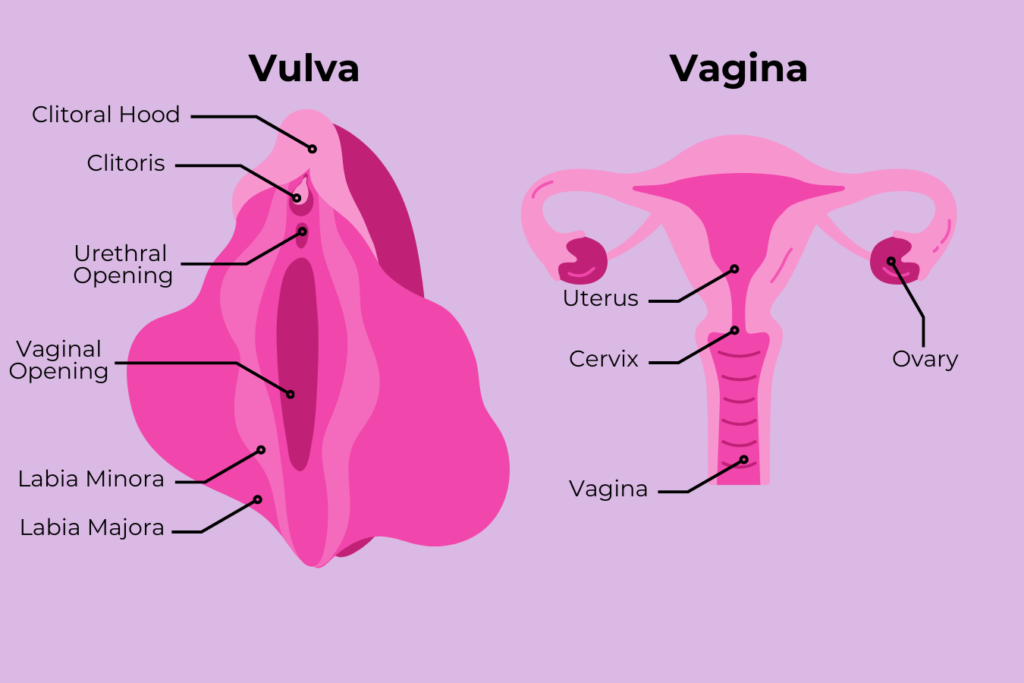
What Is the Vagina?
The vagina is the internal canal that:
- Connects the vulva to the cervix and uterus.
- Has its own natural cleaning system (discharge).
- Maintains a slightly acidic pH to protect against infections.
Understanding the difference helps you avoid over‑cleaning or using harsh products inside.
What Is Normal Vaginal Discharge?
Typical Discharge
Normal discharge:
- Can be clear, white, or slightly yellow when dry.
- May change in texture during your cycle (more slippery around ovulation).
- Has a mild, non‑offensive smell.
Discharge is your body’s way of flushing out old cells and keeping the vagina clean.
Signs Something Might Be Off
See a healthcare provider if you notice:
- Strong, fishy, or foul odor.
- Green, gray, or very thick yellow discharge.
- Itching, burning, or swelling.
- Pain during sex or when urinating.
- Bleeding between periods or after sex (not related to your period).
These can be signs of infection or other conditions that need medical attention.

Daily Vaginal & Vulvar Care Tips
1. Gentle Cleaning Is Enough
- Wash the vulva with warm water and, if needed, a mild, unscented soap.
- Do not douche or wash inside the vagina; it disrupts natural pH and bacteria.
- Pat dry gently; avoid harsh rubbing.
2. Choose Breathable Underwear
- Cotton or cotton‑blend underwear allows airflow.
- Avoid very tight synthetic fabrics for long periods.
- Change out of sweaty clothes (after exercise or long commutes) as soon as you can.
3. Be Careful With Products
Avoid:
- Scented sprays, powders, or “feminine hygiene” washes inside the vagina.
- Harsh antiseptics unless prescribed by a doctor.
If you use intimate wipes, choose alcohol‑free, pH‑balanced options and use them on the vulva only.
Vaginal Burning After Sex: Common Causes & What to Do
Possible Causes
Burning after sex can come from:
- Friction (not enough natural lubrication).
- Irritation from soaps, detergents, or fabric.
- Infections like yeast infection, bacterial vaginosis, or STIs.
- Allergic reactions to condoms, lube, or toys.
Simple Steps to Reduce Burning
- Use water‑based lubricant to reduce friction.
- Switch to unscented, gentle detergents for underwear.
- Avoid scented products on the vulva.
- If burning persists, or you have unusual discharge or odor, see a clinician for proper diagnosis and treatment.
Vaginal Health After Pregnancy
After giving birth, many women notice:
- Changes in tightness or sensation.
- Dryness due to hormonal shifts (especially if breastfeeding).
- Discomfort during sex in the first months.
Helpful steps:
- Give your body time to heal (follow your doctor’s advice on when to resume sex).
- Use water‑based lube if dryness is an issue.
- Consider pelvic floor exercises (Kegels) to support muscle tone.
- If pain or burning continues, ask your OB‑GYN or a pelvic health specialist for guidance.
Some women later explore pelvic floor trainers or Kegel balls as part of rehabilitation, but these should be introduced only after healing and ideally with professional advice.

Kegel Balls: What Are They and What Is Their Purpose?
What Are Kegel Balls?
Kegel balls (also called vaginal weights or pelvic floor trainers) are:
- Small, smooth, weighted balls designed to be inserted into the vagina.
- Used to help strengthen the pelvic floor muscles through gentle resistance.
Potential Benefits
When used correctly, they may help with:
- Improving pelvic floor strength.
- Supporting bladder control.
- Enhancing awareness of pelvic muscles.
They are not for everyone, especially not immediately after childbirth or surgery. Always check with a healthcare provider first.
Safe Use Tips
- Start only after you’re fully healed from childbirth or any pelvic procedure.
- Use plenty of water‑based lube.
- Follow instructions on duration and cleaning.
- Stop if you feel pain, burning, or unusual discomfort and consult a professional.
If you’re curious about pelvic floor tools, look for body‑safe, medical‑grade silicone products from reputable sellers, and treat them as part of a broader pelvic health plan-not a magic fix.
When to See a Doctor
Make an appointment if you experience:
- Persistent burning, itching, or pain.
- Unusual discharge or strong odor.
- Pain during sex that doesn’t improve with lube and time.
- Bleeding after sex or between periods.
- Concerns after childbirth, miscarriage, or pelvic surgery.
A trusted OB‑GYN or clinic can provide confidential, non‑judgmental care.
Respect Your Body, Seek Good Information
Your vagina is not “dirty”; it’s a self‑cleaning, resilient part of your body that deserves accurate information and gentle care. Good vaginal health is a mix of:
- Simple daily habits.
- Knowing what’s normal for you.
- Seeking medical help when something feels off.
If you’d like to explore pelvic floor tools, gentle vibrators for relaxation, or body‑safe intimate wellness products, you can find a carefully selected range at teasemenow.ph. Used wisely, these can support comfort, confidence, and a healthier relationship with your body-alongside proper medical care when needed.