


First-Time Sex: What Adult Beginners Should Know Before Buying Anything
First-time sex does not need to follow a script, involve penetration, or happen on a particular night. For Filipino adults aged 18 and over, useful preparation begins with communication, consent, and protection—not a shopping list or pressure to perform.
This guide explains what to discuss before intimacy, why expectations may differ from reality, and how to respond if something feels uncomfortable. It also helps you decide what may be useful to buy, such as condoms or compatible lubricant, and what can wait. Toys are optional, and neither spending money nor being in a relationship creates an obligation to have sex.plannedparenthood
What should you expect?
There is no single correct first experience. You may feel nervous, excited, awkward, affectionate, uncertain, or a mixture of these. Planned Parenthood notes that first sex may be less polished than media portrayals and recommends honest communication about expectations.plannedparenthood
You do not need to know everything in advance. You do need room to ask questions, slow down, and stop.
Sex is not a performance test
Avoid setting goals such as:
- “We have to do everything.”
- “We must both reach orgasm.”
- “Stopping would ruin the evening.”
- “Buying something means we must use it.”
A better goal is a mutually wanted experience in which both people can communicate without fear.
Start with consent
Talk before the moment becomes difficult to interrupt. Discuss what you are interested in, what you do not want, and what you are unsure about.
Try:
“I am interested, but I want us to go slowly. I may change my mind, and I want you to feel free to do the same.”
Consent and honest communication are central to a positive experience. Agreement to one activity should not be treated as agreement to everything else.plannedparenthood

Consent is not something you owe
A date, anniversary, gift, hotel booking, relationship, or previous agreement does not create a debt. If someone hesitates, freezes, or becomes uncomfortable, pause and check in rather than assuming silence means yes.
Choose a situation in which both adults can make decisions freely and communicate clearly.
Talk about protection before sex
If pregnancy is possible, discuss contraception in advance. Pregnancy can happen from vaginal sex the first time. Sexually transmitted infections can also spread through different sexual activities involving skin contact or body fluids.plannedparenthood
Useful questions include:
- What protection will we use?
- Have we discussed STI testing?
- Do we need a clinical consultation about contraception?
- What will we do if a condom breaks?
- Where can we get prompt advice if something goes wrong?
Condoms can reduce risk, but no product should be described as eliminating every risk in every situation.
What is worth buying first?
Keep the initial list practical.
Item | Why consider it? | What to check |
Suitable condoms or barriers | Protection appropriate to the activity | Expiry, intact packaging, material, fit |
Compatible lubricant | Reduces friction | Condom and toy compatibility |
Clean towel | Practical cleanup | Clean and readily available |
Optional external toy | Only if both adults want one | Materials, controls, cleaning |
Storage pouch | Keeps a product organised | Fully dry product before storage |
You do not need a large “first-time kit.” Avoid buying a complicated product before you have agreed on what you want.
Lubricant is not a failure
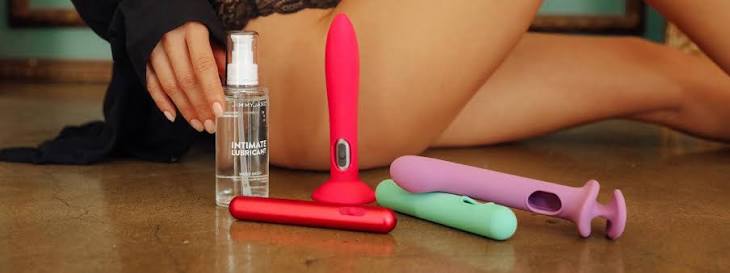
Using lubricant does not mean someone is insufficiently interested. Planned Parenthood recommends water- or silicone-based lubricants for comfort and warns that oil-based lubricants can weaken latex condoms. Toy compatibility should also be checked, particularly with silicone products.plannedparenthood
Apply according to the product instructions and add more if needed. If a lubricant causes burning or irritation, stop using it.
Does first-time sex have to hurt?
No. Pain is not a required milestone. Some people have discomfort or light bleeding, while others do not. Planned Parenthood recommends going slowly, communicating, and paying attention to how the body feels.plannedparenthood
Do not continue because you believe pain is inevitable. If something hurts:
- Stop the activity.
- Explain what you are feeling.
- Do not immediately retry at greater force.
- Decide whether to choose a comfortable alternative or end the session.
- Seek medical advice for recurrent, persistent, or concerning pain.sextherapylondon.nhs
Is bleeding proof of anything?
Bleeding does not happen to everyone during first penetration. It should not be expected or demanded as evidence of sexual history. The absence of bleeding is not a reason to question or shame a partner.plannedparenthood
Heavy bleeding, severe pain, or symptoms that worry you should not be dismissed as simply “the first time.”

How to make communication easier
You can agree on a few ordinary phrases:
- “Slower.”
- “Pause.”
- “That feels uncomfortable.”
- “I want to stop.”
- “Can we do something else?”
- “I am not sure.”
You do not need elaborate vocabulary to communicate clearly. A partner’s response should make it easier to speak, not harder.
Check in afterward
Ask how the experience felt emotionally as well as physically. Do not frame the conversation as a score.
Helpful questions include:
- “Did you feel listened to?”
- “Was there anything you did not like?”
- “Would you prefer something different next time?”
There is no deadline for repeating the experience.
Do beginners need a toy?
No. A toy may be enjoyable for consenting adults, but it is not necessary preparation and does not guarantee comfort or satisfaction.
If you want one, begin with a product chosen for a clear purpose. An external option may suit someone who does not want insertion. A simple button-operated model may be preferable to a connected device if technology feels distracting.
Never introduce a toy without checking that the other person wants it involved.
Five buying tips for adult beginners
1. Buy protection before optional accessories
If pregnancy or STI risk is relevant, prioritise the appropriate protection and professional advice.
2. Check compatibility
Read the condom, lubricant, and toy labels together. A product suitable on its own may not be compatible with another item.
3. Choose manageable dimensions
For any product, consider actual measurements, weight, and intended use rather than photographs or “beginner” labels.
4. Prefer straightforward controls
Choose something easy to turn down or stop. More modes do not automatically improve a first experience.
5. Read cleaning instructions before checkout
Follow the manufacturer’s instructions. Do not assume an electronic product is waterproof, and keep charging parts dry.
Who this is for—and who should wait
This guide is for adults aged 18 and over who want realistic, respectful information before a first sexual experience.
Wait if you feel pressured, unsafe, unable to communicate clearly, or uncertain about protection. You can also wait simply because you want to. Existing pain, sores, unusual discharge, or other symptoms are reasons to seek advice rather than experiment around the problem.
Choose only what you need
If you decide to shop, start with a clear list and avoid pressure to buy a complete set. Browse the TeaseMeNow online store for optional wellness products, and ask for the precise specifications of anything you are considering.
Message us on WhatsApp at for product questions. Medical concerns and contraception choices should be discussed with a qualified healthcare professional.

FAQ
Is it normal to feel nervous before first-time sex?
Yes, nervousness can be part of a first experience, but it should not prevent you from communicating or saying no. Talk about expectations, protection, and boundaries beforehand. You can pause or postpone at any point. Feeling ready does not mean you must feel completely confident or know everything.plannedparenthood
Can pregnancy happen the first time?
Yes. Vaginal sex can result in pregnancy even when it is the first time. Discuss contraception before sex rather than relying on inexperience, withdrawal, or assumptions about timing. If unprotected sex or a contraception problem occurs, seek prompt advice from a qualified healthcare professional about appropriate options.plannedparenthood
Is bleeding always expected?
No. Some people experience light bleeding with first penetration, and others do not. Bleeding should not be used as a test of sexual history or trust. Stop if there is pain, and seek care for heavy bleeding, significant injury, persistent symptoms, or anything that concerns you.plannedparenthood
What should I buy before first-time sex?
Consider protection appropriate to the activity, compatible lubricant, and practical cleanup supplies. A toy is optional. Check expiry dates, packaging, material, and compatibility rather than buying a large kit automatically. If you are unsure about contraception or STI prevention, get qualified advice before the planned encounter.
What if the first experience is uncomfortable?
Stop and explain what you feel. You do not need to continue to make the experience “count.” Choose a comfortable alternative or end the session. Repeated or persistent pain should be assessed by a clinician rather than managed by force, repeated attempts, or products that mask discomfort.sextherapylondon.nhs