


Is It Normal for Sex to Hurt Sometimes? What the Symptoms May Mean
Pain during sex is something people experience, but that does not make it something you should accept or push through. Burning, stinging, soreness, or deeper pain may have different contributors, and the location and timing can help a clinician understand the problem.
This guide explains possible causes, what to do when pain starts, and why repeated symptoms deserve assessment. It also distinguishes products that may reduce friction from products that cannot diagnose or treat a condition. The goal is to help adults make informed decisions—not persuade someone to keep having painful sex or buy a device instead of seeking care.sextherapylondon.nhs
Is occasional discomfort automatically harmless?
Not necessarily. One episode may follow a specific situation, such as irritation from a new product, but symptoms alone do not always reveal the cause.
Sex Therapy London describes pain that may be burning, stinging, throbbing, sore, sharp, or dull. It can be localised or widespread, occasional or persistent. Unexplained recurrent or persistent pain should be checked by a doctor.sextherapylondon.nhs
A useful question is not only “Is this common?” but also:
“Why is this happening, and what should I change or have assessed?”
What can contribute to pain?
Possible contributors include physical conditions, hormonal changes, sensitivities, and emotional factors. More than one may be involved. The following is an overview, not a self-diagnosis chart.sextherapylondon.nhs
Pattern or context | Possible contributors to discuss | Next step |
Burning after a new product | Irritation or sensitivity | Stop the product; seek advice if symptoms persist |
Pain with discharge or other symptoms | Infection or another medical issue | Clinical assessment |
Dryness during hormonal changes | Pregnancy, breastfeeding, menopause-related changes | Discuss symptoms with a clinician |
Pain linked with fear or repeated difficult attempts | Physical and psychological contributors may overlap | Medical assessment and appropriate support |
Recurrent pain without an obvious trigger | Several possible causes | Avoid guessing; arrange an assessment |
Product sensitivity
Condoms, soaps, shower gels, wipes, lubricants, vaginal moisturisers, and menstrual products can irritate some people. Even something advertised for sensitive skin may not suit every user.sextherapylondon.nhs
If symptoms began after introducing a new item, stop using it. Keep its packaging or ingredient list so you can discuss it with a clinician if needed.
Hormonal or life-stage changes
Pregnancy, birth, breastfeeding, ageing, and menopause-related changes can contribute to vulval pain. Previous surgery and other physical conditions may also be relevant.sextherapylondon.nhs
Do not assume that a life-stage explanation means you must tolerate symptoms. Tell your clinician how discomfort affects daily life and intimacy.
Infection, skin conditions, or other medical causes
A history of thrush, bacterial vaginosis, urinary infections, STIs, skin conditions, and nerve problems can contribute to pain. Symptoms can overlap, which is why repeated self-treatment may not identify the real problem.sextherapylondon.nhs
Do not repeatedly treat presumed yeast infection just because burning is present. Ask for assessment when symptoms recur or do not behave as expected.
What should you do when pain starts?
Stop the painful activity
Pain is a reason to pause, not a signal to increase pressure or intensity. Tell your partner what you are experiencing and do not feel obliged to continue with another sexual activity.

Notice what changed
Without repeatedly testing the pain, consider:
- Was a new product used?
- Did symptoms start during or after activity?
- Is the discomfort on the skin, near an opening, or deeper?
- Are there other symptoms?
- Has this happened before?
These observations can help a clinical conversation.
Avoid adding several new products
Using a new cleanser, lubricant, soothing cream, and toy at the same time makes it harder to identify a trigger. Avoid products intended to numb or conceal pain so that an activity can continue.
When should you seek medical care?
Arrange an assessment for pain that is recurring, persistent, unexplained, or affecting intimacy or everyday activities. Sex Therapy London explicitly advises medical review for unexplained recurrent or persistent pain.sextherapylondon.nhs
Seek prompt medical advice for associated bleeding, unusual discharge, sores, urinary symptoms, or signs of infection. Severe or sudden pain, heavy bleeding, fainting, or feeling seriously unwell warrants urgent assessment rather than a shopping or self-care solution.
If you are pregnant or have recently given birth, explain that when seeking advice.
What happens at an appointment?
The clinician may ask about symptoms, relevant medical history, products, medications, and sexual activity. Depending on the problem, they may discuss an examination or tests.
You can ask:
- What are you trying to rule out?
- What will this examination involve?
- Can I ask you to stop?
- Are there alternatives if I am uncomfortable?
- What should I do while waiting for results?
- When should I return if symptoms continue?
You do not need to agree to an unexplained procedure. Ask questions and tell the clinician if you are anxious or have had difficult previous experiences.
Can lubricant solve the problem?
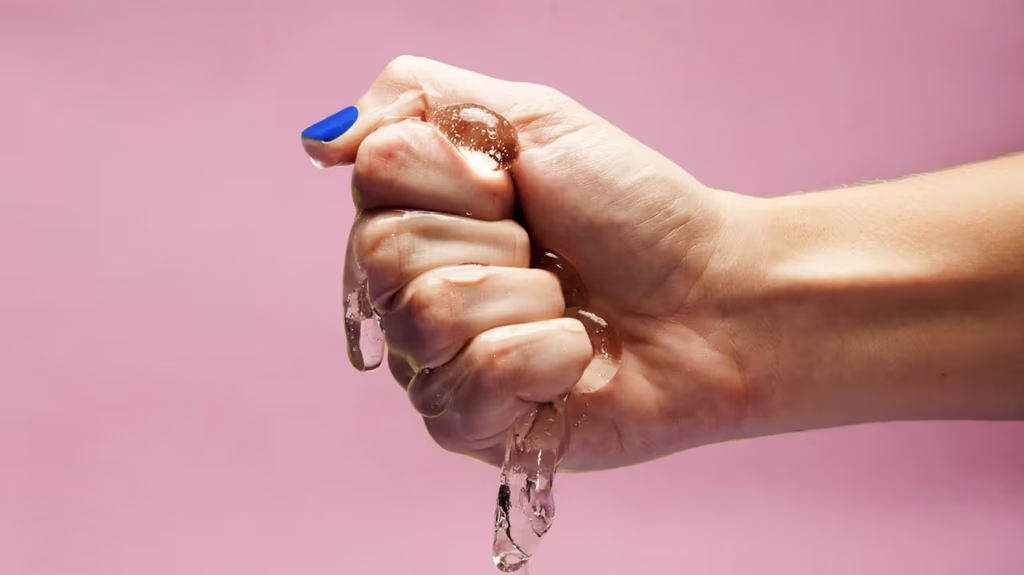
Lubricant can reduce friction, and it may make an activity more comfortable when friction is a contributor. Planned Parenthood recommends water- and silicone-based lubricants for comfort and warns against oil-based lubricants with latex condoms.plannedparenthood
However, lubricant is not a diagnostic test. Improvement does not prove there is no underlying condition, and lack of improvement does not mean you used too little.
Lubricants can also be a source of irritation for some people. Stop using one that causes burning or other symptoms.sextherapylondon.nhs
Check compatibility, not just marketing language
Read the lubricant and product instructions together. In particular:
- Check condom material.
- Check toy compatibility.
- Review fragrance and other additives.
- Do not assume “natural” means non-irritating.
- Do not assume a warming product is appropriate for sensitive tissue.
Ask a pharmacist or clinician if you need guidance choosing around a known allergy or condition.
Should you buy a toy if sex hurts?
Not as a replacement for assessment. A toy cannot tell you whether pain comes from irritation, infection, hormonal changes, or another cause.
After symptoms have been appropriately addressed, some adults may choose a product for comfortable exploration. That choice should follow personal preference and any relevant clinical guidance.
A larger or more powerful toy is not a solution to pain. Neither are Kegel balls automatically appropriate. Pelvic-floor treatment choices should be based on an assessment, not a general assumption that stronger muscles will solve every problem.
Five buying tips once you are ready
1. Define a comfortable purpose
Buy for an activity you want and can do comfortably. Do not choose a product to overcome someone’s boundary or prove that penetration is possible.
2. Ask for exact materials
Look for clear descriptions of the surface that touches the body. Avoid relying on “luxury,” “soft,” or “body-friendly” alone.
3. Choose manageable dimensions
Compare actual size and weight. An external product may be preferable if insertion is not wanted or appropriate.
4. Keep control simple
Clear buttons and an accessible stop control matter more than a large number of modes.
5. Follow care instructions
Use compatible lubricant, clean as directed, and allow the product to dry fully. Do not submerge electronics unless the instructions permit it.
Who this is for—and who should skip shopping
This guide is for adults trying to understand whether symptoms deserve attention and what questions to ask before buying products.
Skip shopping for a “solution” if you have persistent pain, unexplained bleeding, active irritation, sores, or other symptoms. Start with assessment. If fear or relationship pressure is present, that also deserves attention rather than another product.
Make the next step fit the problem
If you have symptoms now, prioritise qualified care. If you are comfortable and ready to compare optional products, browse the TeaseMeNow online store or view the vibrator and wellness category.
Message us on WhatsApp for material, size, controls, and cleaning information. Product advice can support a purchase decision, but it should never be presented as a diagnosis or treatment plan.

FAQ
Is pain during sex normal sometimes?
Pain is experienced by many people, but that does not mean it should be endured. Stop an activity that hurts. A brief episode and repeated symptoms may need different responses, but unexplained recurrent or persistent pain should be checked by a doctor rather than managed by repeated attempts.sextherapylondon.nhs
Why does sex burn afterward?
Burning can have several contributors, including sensitivity to products, infections, skin conditions, and other physical or emotional factors. Symptoms alone may not identify the cause. Stop using a suspected irritating product and seek assessment if burning recurs, persists, or appears with other concerning symptoms.sextherapylondon.nhs
Can lubricant prevent all pain?
No. Lubricant may reduce friction, but it does not address every possible cause of pain. Some people are also sensitive to particular lubricant ingredients. Choose a compatible product, stop if it irritates, and do not keep adding lubricant to push through recurrent or unexplained discomfort.sextherapylondon.nhs+1
Should I avoid intimacy completely?
Avoid activities that hurt, but you can choose other forms of closeness if you genuinely want them. Conversation, affection, or rest may be enough. You do not owe a replacement activity. Discuss recurring symptoms with a clinician and make sure a partner understands that stopping is not negotiable.
What information should I tell my doctor?
Describe where the pain occurs, what it feels like, when it begins, and how long it lasts. Mention bleeding, discharge, urinary symptoms, skin changes, new products, medications, childbirth, or surgery where relevant. A short written record can help, but do not repeatedly provoke pain to gather information.