Skip to main content


Why Sex Is the Best Exercise for Couples: Health Benefits Beyond Calories
When people talk about exercise, they rarely put sex at the top of the list. Yet for many Filipino couples, sexual intimacy is one of the most consistent forms of physical activity they enjoy together.
Sex may not replace a serious training program for athletes, but as a regular, pleasurable activity, it offers a unique mix of cardio, muscle engagement, stress relief, and relationship bonding. In this guide, we’ll explore why sex can be considered one of the “best” exercises for couples, especially when the alternative is no exercise at all, and how to make it part of a healthy lifestyle.
Is Sex Really Exercise?
What Science Says
Research shows that sexual activity:
- Increases heart rate and breathing.
- Engages multiple muscle groups (legs, core, hips, arms, back).
- Can burn calories (estimates vary, but often in the range of light to moderate activity).
- Triggers release of endorphins, oxytocin, and dopamine.
From a physiological standpoint, sex qualifies as physical activity, especially when it’s active and not just brief or passive.
Sex vs Traditional Exercise
Aspect | Traditional Exercise (e.g., Running) | Sex (Active Intimacy) |
Heart rate | Moderate to high | Light to moderate (can increase) |
Calories burned | Often higher per minute | Moderate, depends on intensity |
Muscle use | Can be targeted (legs, arms, etc.) | Full‑body, varies by position |
Mood benefits | Endorphins, stress relief | Endorphins + oxytocin (bonding) |
Social connection | Often solo or with friends | Deeply intimate, partner‑focused |
Enjoyment | Can feel like “work” for some | Often feels like “play” |

Health Benefits of Regular Intimacy
1. Heart and Circulation
Regular sexual activity can:
- Gently elevate heart rate, supporting cardiovascular health.
- Improve blood flow throughout the body.
- Contribute to lower stress levels, which indirectly benefits heart health.
While not a substitute for medical advice or prescribed exercise for heart patients, it can be a positive part of an active lifestyle.
2. Mood and Mental Health
Sex triggers the release of:
- Endorphins: natural painkillers and mood elevators.
- Oxytocin: promotes bonding, trust, and calm.
- Dopamine: linked to pleasure and motivation.
Many people report:
- Reduced stress and anxiety after intimacy.
- Better sleep quality.
- A stronger sense of emotional connection with their partner.
For couples under financial, work, or family stress, this mental health boost is significant.
3. Relationship Bonding
Unlike most forms of exercise, sex is inherently relational:
- It requires cooperation, attunement, and communication.
- It reinforces feelings of being desired and valued.
- It creates shared positive experiences that buffer against conflict.
Couples who maintain a satisfying intimate life often report higher relationship satisfaction overall.
4. Pain Relief and Relaxation
Endorphins released during sex can:
- Temporarily reduce perception of pain (headaches, muscle aches).
- Promote relaxation and sleepiness afterward.
Many couples find that intimacy helps them unwind after a stressful day more effectively than scrolling on their phones.

How to Make Sex a Healthy “Workout” for Both Partners
1. Focus on Consistency, Not Intensity
You don’t need marathon sessions. Aim for:
- Regular intimacy that feels good for both of you (frequency varies by couple).
- Quality over duration: even 10–15 minutes of engaged, present intimacy counts.
Consistency over weeks and months matters more than occasional intense sessions.
2. Use Positions That Engage More Muscles
Different positions engage different muscle groups:
- Positions where one partner supports their weight engage arms, shoulders, and core.
- Kneeling, standing, or side‑lying variations engage legs and hips.
- Switching positions mid‑session adds variety and movement.
The goal isn’t performance; it’s enjoyable, whole‑body engagement.
3. Combine Intimacy With Other Healthy Habits
Enhance the benefits by:
- Avoiding heavy meals or excessive alcohol right before.
- Creating a calm environment (dim lights, tidy space, minimal distractions).
- Using water‑based lube if there’s any dryness, to reduce friction and discomfort.
- Following up with rest, hydration, and cuddling as a “cool‑down.”
This frames intimacy as part of a holistic self‑care routine.
When Sex Isn’t Enough (and That’s Okay)
While sex has many benefits, it may not:
- Provide the same cardiovascular challenge as running, swimming, or cycling.
- Build significant strength without additional resistance work.
- Be possible or desirable for some couples due to health, pain, or other reasons.
That’s why it’s best viewed as one component of an active lifestyle, alongside:
- Walking, dancing, or other cardio.
- Basic strength work (bodyweight, bands, household items).
- Stretching and mobility.
If sex is limited or not possible, other forms of movement and connection still support health.
Adding Playful Variety (Including Toys)
Over time, some couples notice that intimacy becomes routine. To keep it engaging:
- Try new positions or different times of day.
- Add sensual massage with massage oils.
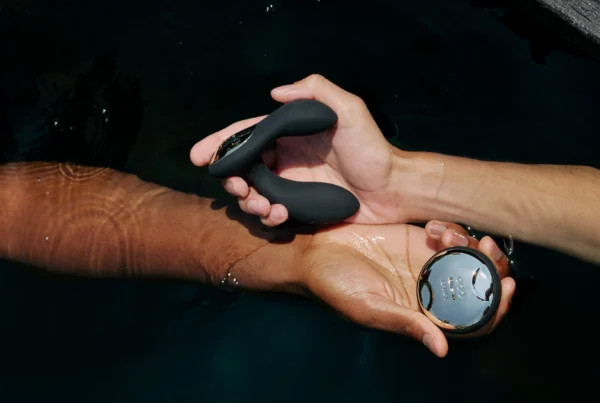
- Explore simple couples’ toys (e.g., small vibrators, rings) to increase sensation and novelty.
These are optional, but they can help maintain interest and make intimate time feel more like a highlight than a habit.
Final Thoughts: A Unique Form of Exercise
Sex may not be the most intense workout in terms of calories or strength, but for many Filipino couples, it’s one of the most sustainable and meaningful forms of movement they share. It combines:
- Physical activity for heart and muscles.
- Mood‑boosting chemistry for mental health.
- Deep emotional bonding for relationship longevity.