Skip to main content


How to Be a Good Housewife in the Philippines: Balance, Self‑Care and a Happy Marriage
Many Filipino women describe themselves as “housewife,” “homemaker,” or “full‑time mom,” managing everything from cooking and cleaning to childcare, budgeting, and caring for elders. It’s a demanding role, often without clear boundaries or regular time off.
In this guide, we’ll talk about what it can mean to be a “good housewife” in a modern, healthy way: not as a perfect, self‑sacrificing martyr, but as a woman who builds a balanced, respectful, and loving home. We’ll cover practical tips on time management, communication with your spouse, self‑care, and maintaining intimacy-even when you’re exhausted. This is written in a supportive, counselor‑like tone, recognizing that every family’s situation is different.
Redefining “Good Housewife” in a Healthy Way
From Perfection to Partnership
Old stereotypes often say a “good housewife” must:
- Keep the house spotless at all times.
- Always put everyone else first, never complaining.
- Never say no to in‑laws, neighbors, or extended family requests.
- Accept fatigue, stress, and lack of personal time as “normal.”
A healthier redefinition focuses on:
- Partnership: You and your spouse share responsibilities according to ability and schedule.
- Boundaries: You can say no to unreasonable demands without guilt.
- Self‑respect: Your needs, rest, and dreams matter too.
- Growth: You’re allowed to learn, change, and ask for help.
Being “good” doesn’t mean being perfect; it means building a home where everyone-including you-can thrive.
Practical Tips for Daily Life
1. Create a Simple Routine
A flexible routine can reduce chaos:
- Morning: quick tidy, breakfast prep, kids’ school prep.
- Daytime: chores in blocks (laundry, cleaning, cooking), with short breaks.
- Evening: family time, light prep for tomorrow, wind‑down.
You don’t need a military schedule; just a rough structure that prevents everything from piling up.
2. Involve Your Family
You’re not a maid; you’re a wife and mother (if you have kids). Teach:
- Kids to pick up toys, make their beds, help with simple chores.
- Your spouse to share tasks: dishes, grocery runs, bedtime stories, laundry folding.
Even small contributions from each family member lighten your load and teach responsibility.
3. Set Boundaries With Extended Family
Filipino culture values close family ties, but boundaries are still important:
- Politely but firmly limit last‑minute visits if they disrupt your routine.
- Clarify what you can and cannot do for relatives (e.g., babysitting, cooking for large gatherings).
- Discuss with your spouse so you present a united front.
A peaceful home sometimes means saying, “Not today” or “We need to plan this in advance.”

How to Be a Good Housewife in the Philippines: Balance, Self‑Care and a Happy Marriage
Many Filipino women describe themselves as “housewife,” “homemaker,” or “full‑time mom,” managing everything from cooking and cleaning to childcare, budgeting, and caring for elders. It’s a demanding role, often without clear boundaries or regular time off.
In this guide, we’ll talk about what it can mean to be a “good housewife” in a modern, healthy way: not as a perfect, self‑sacrificing martyr, but as a woman who builds a balanced, respectful, and loving home. We’ll cover practical tips on time management, communication with your spouse, self‑care, and maintaining intimacy-even when you’re exhausted. This is written in a supportive, counselor‑like tone, recognizing that every family’s situation is different.
Redefining “Good Housewife” in a Healthy Way
From Perfection to Partnership
Old stereotypes often say a “good housewife” must:
- Keep the house spotless at all times.
- Always put everyone else first, never complaining.
- Never say no to in‑laws, neighbors, or extended family requests.
- Accept fatigue, stress, and lack of personal time as “normal.”
A healthier redefinition focuses on:
- Partnership: You and your spouse share responsibilities according to ability and schedule.
- Boundaries: You can say no to unreasonable demands without guilt.
- Self‑respect: Your needs, rest, and dreams matter too.
- Growth: You’re allowed to learn, change, and ask for help.
Being “good” doesn’t mean being perfect; it means building a home where everyone-including you-can thrive.
Practical Tips for Daily Life
1. Create a Simple Routine
A flexible routine can reduce chaos:
- Morning: quick tidy, breakfast prep, kids’ school prep.
- Daytime: chores in blocks (laundry, cleaning, cooking), with short breaks.
- Evening: family time, light prep for tomorrow, wind‑down.
You don’t need a military schedule; just a rough structure that prevents everything from piling up.
2. Involve Your Family
You’re not a maid; you’re a wife and mother (if you have kids). Teach:
- Kids to pick up toys, make their beds, help with simple chores.
- Your spouse to share tasks: dishes, grocery runs, bedtime stories, laundry folding.
Even small contributions from each family member lighten your load and teach responsibility.
3. Set Boundaries With Extended Family
Filipino culture values close family ties, but boundaries are still important:
- Politely but firmly limit last‑minute visits if they disrupt your routine.
- Clarify what you can and cannot do for relatives (e.g., babysitting, cooking for large gatherings).
- Discuss with your spouse so you present a united front.
A peaceful home sometimes means saying, “Not today” or “We need to plan this in advance.”

Acting Like Your Own Relationship Counselor
You can apply basic counseling principles to your marriage:
- Name the pattern: “We keep fighting about chores and money.”
- Own your part: “I know I sometimes nag or shut down.”
- Express care: “I love you and I want us to be happy.”
- Invite collaboration: “Can we try a new way of handling this together?”
- Agree on one small change this week (e.g., he does dishes 3 nights, you schedule 10‑minute check‑ins).
- Review and adjust after a week: “What worked? What didn’t?”
Over time, these small steps build a stronger, more respectful partnership.
A Good Housewife Is a Whole Person
Being a “good housewife” in the Philippines today means:
- Building a home based on love, respect, and shared responsibility.
- Setting healthy boundaries with family and society’s expectations.
- Caring for your own physical, emotional, and spiritual needs.
- Nurturing your marriage through communication, appreciation, and intimacy.
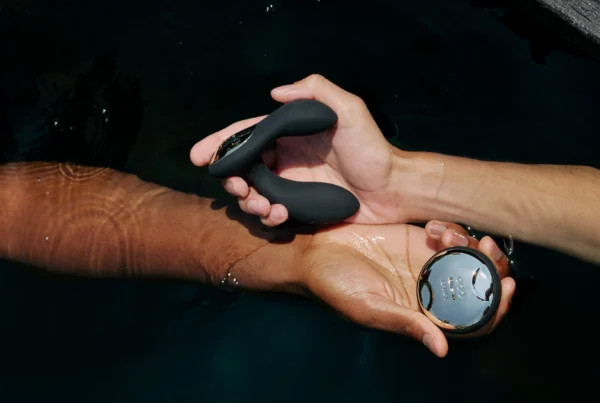
If you and your spouse decide you want to explore couples’ wellness products, massage oils, or intimate toys as part of keeping your connection alive, you can find a discreet, carefully chosen selection at teasemenow.ph. Used with care and communication, these can support a happier, more balanced home life-alongside all the practical and emotional work you already do.