Skip to main content


Vaginal Burning After Sex: Causes & Solutions for Filipino Women
Vaginal burning after sex is more common than many Filipino women realize, but it’s often not talked about openly. Some suffer in silence, thinking it’s “normal” or that they’re somehow dirty or broken. In most cases, burning is a sign that something needs attention-whether it’s simple friction, an infection, or a product sensitivity.
This guide explains the most common causes of vaginal burning after sex, practical steps you can take at home, and clear signs that it’s time to see a healthcare provider. We’ll also touch on how certain products (including intimate wellness tools) can help-or sometimes make things worse-when used without proper knowledge.
Common Causes of Vaginal Burning After Sex
1. Friction and Lack of Lubrication
One of the most frequent causes is mechanical friction:
- Not enough natural lubrication (common with stress, fatigue, breastfeeding, certain medications).
- Rushed sex without enough foreplay.
- Long or intense sessions without reapplying lube.
Friction can cause:
- Micro‑tears in delicate tissue.
- Stinging or burning during or after sex.
- Soreness for hours or even days.
2. Infections
Several infections can cause burning, especially after sex:
- Yeast infection (candidiasis)
- Itching, thick white discharge (“cottage cheese”‑like), redness, burning.
- Bacterial vaginosis (BV)
- Thin gray/white discharge, fishy odor (often stronger after sex), mild burning or irritation.
- Urinary tract infection (UTI)
- Burning when urinating, frequent urge to pee, lower abdominal discomfort.
- Sexually transmitted infections (STIs) like chlamydia, gonorrhea, trichomoniasis, herpes
- May cause burning, unusual discharge, sores, pelvic pain, or no symptoms at all.
If you suspect an infection, it’s important to get proper diagnosis and treatment rather than self‑medicating repeatedly.
3. Product Sensitivity or Allergy
Some products can irritate the vulva and vagina:
- Scented soaps, body washes, or “feminine hygiene” washes.
- Detergents or fabric softeners on underwear.
- Latex condoms (for some people).
- Certain lubricants (with fragrance, warming/cooling effects, or harsh ingredients).
- Adult toys made from unsafe materials (jelly, rubber, strong chemical smell).
Signs of sensitivity:
- Burning or stinging soon after contact.
- Redness, itching, or swelling.
- Symptoms that improve when you stop using the product.
4. Skin Conditions and Hormonal Changes
Other contributors can include:
- Vulvodynia (chronic vulvar pain/burning without clear infection).
- Lichen sclerosus or other dermatologic conditions.
- Hormonal changes (perimenopause, menopause, postpartum, breastfeeding) leading to thinning tissue and dryness.
These often need evaluation by a gynecologist or dermatologist

Simple Steps to Reduce Burning After Sex
1. Use Water‑Based Lubricant Generously
Lube can dramatically reduce friction:
- Apply to the vulva, vaginal opening, and any toy or penis.
- Reapply as needed during longer sessions.
- Choose water‑based, pH‑balanced, fragrance‑free formulas.
Avoid oil‑based products with condoms (they can weaken latex) and avoid scented or “tingly” lubes if you’re prone to irritation.
2. Slow Down and Increase Foreplay
Rushing often leads to insufficient arousal and dryness:
- Spend more time on kissing, touching, and non‑penetrative play.
- Communicate what feels good and what doesn’t.
- Let your body signal when it’s ready for penetration.
If sex feels like a race or obligation, both your mind and body may resist.
3. Review Your Products
Take inventory of what touches your vulva:
- Switch to unscented, gentle detergents for underwear.
- Avoid douches and internal “cleansing” products.
- If you suspect latex sensitivity, try non‑latex condoms.
- For toys, choose medical‑grade silicone, glass, or stainless steel from reputable sellers; avoid cheap, smelly, overly soft “jelly” materials.
If burning started after introducing a new product, stop using it and see if symptoms improve.
4. Practice Gentle Hygiene
- Rinse the vulva with warm water; if needed, use a mild, unscented soap externally only.
- Pat dry gently; avoid harsh rubbing.
- Wear breathable cotton underwear and avoid very tight pants for long periods.
- Change out of sweaty clothes promptly after exercise or long commutes.
Remember: the vagina cleans itself internally; you don’t need to wash inside.
When to See a Doctor or Clinic
Seek medical care if you have:
- Burning that persists beyond a day or two after sex.
- Unusual discharge (green, gray, very thick white) or strong odor.
- Pain when urinating, lower abdominal pain, or fever.
- Sores, blisters, or unusual bumps on the vulva.
- Bleeding after sex (not related to your period).
- Recurrent episodes of burning or infections.
A healthcare provider can:
- Perform an exam and tests (swabs, urine test).
- Identify the exact cause (yeast, BV, UTI, STI, skin condition).
- Prescribe appropriate treatment (antibiotics, antifungals, creams, etc.).
Self‑treating repeatedly without diagnosis can delay proper care and sometimes worsen the problem.

How Intimate Wellness Products Can Help (When Used Wisely)
Some women find that certain products, used correctly, support comfort:
- Water‑based lubricants reduce friction and micro‑tears.
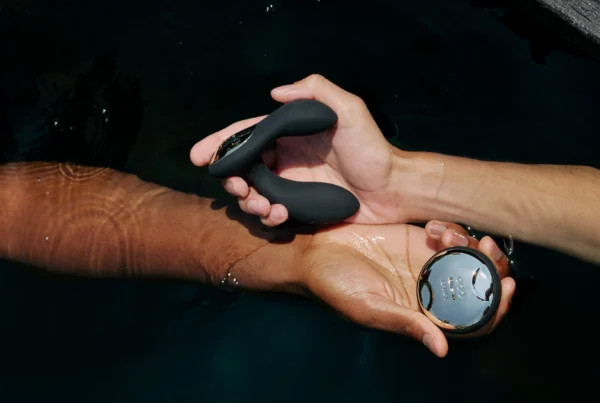
- Gentle, body‑safe vibrators can help with arousal and blood flow, which may improve natural lubrication over time.
- Pelvic floor tools (like Kegel balls) can support muscle function, but only after healing and ideally with professional guidance.
The key is to:
- Choose body‑safe materials and reputable brands.
- Clean toys before and after each use.
- Stop immediately if you feel burning, stinging, or unusual discomfort.
If you’d like to explore lubes, gentle vibrators, or pelvic wellness tools, you can find a carefully selected, discreet range at teasemenow.ph. These are meant to complement-not replace-good medical care when needed.
Burning Is a Signal, Not a Life Sentence
Vaginal burning after sex is your body’s way of saying, “Something isn’t right.” It might be as simple as needing more lube and slower pacing, or it could be an infection or sensitivity that needs treatment.
You deserve comfortable, pleasurable intimacy-not pain or silence. With the right information, supportive partners, and access to quality care and products, most causes of burning can be addressed effectively.